


Blog

GMC Recommended Service Schedule Explained

Author: Ricart Buick GMC

Columbus drivers, welcome to your locally tailored maintenance guide, crafted with the unique demands of our area's roads and climate in mind. Whether you're navigating the bustling streets of downtown Columbus or making your way to nearby Dublin and Powell, understanding your vehicle's service needs is essential for keeping it running smoothly. With decades of experience serving our community, Ricart Buick GMC is here to help you navigate the recommended maintenance schedule specifically designed for our region. This guide emphasizes the importance of adapting your GMC's OEM service plan to ensure optimal performance and reliability for your daily drives.

Why Should You Follow a Maintenance Schedule for Your GMC?

Adhering to a maintenance schedule is crucial for safeguarding your investment in a GMC and ensuring it remains reliable for your everyday journeys. In Columbus, where the summer heat and humidity can put extra strain on fluids and belts, neglecting regular service can lead to costly repairs. Furthermore, with pollen season in full swing, drivers need to keep air filters clean to maintain air quality inside the vehicle. By addressing these local environmental challenges through regular maintenance, you can protect your GMC's performance and longevity.

Regular service is directly tied to your vehicle's efficiency, safety, and peace of mind. For instance, a well-maintained Sierra 1500 is not only capable of tackling everyday commutes on I-70 but also efficiently handles weekend trips to Hocking Hills. Maintaining your GMC means it operates as intended, providing reliability on the busy streets of downtown Columbus or during unpredictable Ohio weather. For more insights on vehicle care, resources like Edmunds offer a wealth of information.

How Does GMC’s Service Reminder System Work?

Many GMC vehicles are equipped to notify you when it’s time for routine maintenance. Depending on the specific model and year, the reminder system may rely on a straightforward time or mileage counter, or it might adjust based on usage patterns and operational conditions. This means that for some owners, maintenance alerts are triggered by how they drive, while for others, it’s simply a matter of the clock or odometer.

Typically, when maintenance is due, drivers will see alerts like dashboard messages, a service indicator (often depicted as a wrench light), a maintenance reminder, or an oil-life percentage indicator. It's important to check your vehicle’s owner’s manual for the exact details, as the specifics can differ across models, trims, and years. Additionally, local driving habits—such as frequent short trips, stop-and-go traffic on High Street, or towing through the neighborhoods of Dublin and Powell—can influence how often service is required. This localized context is essential to understanding your vehicle’s needs.

What Does the Primary Service Reminder Mean?

After understanding how service reminders work in general, the primary service reminder indicates that scheduled maintenance is due or approaching. This high-level alert varies across different GMC models and years. While some vehicles may display a straightforward message or light, others might offer additional context through a maintenance menu or in-vehicle screens. For precise information on what maintenance is needed, it's best to consult your owner’s manual or the maintenance screen in your vehicle.

Primary reminder: A general signal prompting you to check your vehicle’s scheduled maintenance recommendations and plan for service. This reminder indicates that maintenance is due, but it may not specify each individual item required.

Additional details (if shown): Some vehicles may provide extra information, such as a maintenance screen, percentage, descriptive messages, or symbols, which can clarify what needs attention. If your vehicle includes these details, be sure to use them alongside the owner’s manual to verify the recommended services.

What Do Additional Service Indicators Mean?

Many vehicles offer extra details beyond the primary service reminders, which can appear as additional items, symbols, or menu entries. These indicators can help clarify what specific services may be due, but their exact meanings can vary by vehicle. Always consult your owner’s manual or the vehicle display for precise information regarding your GMC model.

  • Tire rotation: Regular tire rotation promotes even tread wear, essential for maintaining traction and handling. In Columbus, frequent stop-and-go traffic or highway driving can affect tire longevity.
  • Engine and cabin air filters: Engine air filters ensure proper airflow to the engine, while cabin air filters maintain air quality inside the vehicle. Dust and pollen from seasonal changes around Dublin and Powell can clog these filters over time.
  • Transmission fluid: Some vehicles may recommend transmission fluid service as part of routine maintenance. Short trips and hilly driving conditions can increase stress on the transmission, making this service important.
  • Spark plugs and valve clearance check (when applicable): Spark plugs often need replacement at set intervals, and some engines may require a valve clearance check. These services are typically more relevant for higher-mileage vehicles.
  • Engine coolant: Proper coolant levels are crucial for regulating engine temperature. Extended highway driving in hot weather or under heavy loads can increase the demand on your cooling system.
  • Rear differential fluid (AWD/4WD, if equipped): For vehicles with AWD or 4WD, maintaining differential fluid is key. Driving in wet conditions or on uneven surfaces, especially in winter, can put extra strain on these components.
  • Brake fluid: Brake fluid can absorb moisture over time, impacting braking performance. If your vehicle indicates brake fluid service, it’s important to follow the recommended intervals for optimal safety.

What is a Typical GMC Service Schedule for Columbus Drivers?

Even if your GMC vehicle comes with service reminders or in-vehicle maintenance information, having a general understanding of typical maintenance milestones can be invaluable for planning ahead. This outline serves as a helpful reference, complementing your owner's manual and any available in-vehicle guidance. It takes into account common driving conditions in Ohio, such as short trips around neighborhoods, stop-and-go traffic on High Street, steady highway cruising along I-70, and the seasonal temperature swings that can affect vehicle performance.

What Services Are Needed in the First 30,000 Miles?

During the first 30,000 miles of ownership, drivers typically focus on foundational services: routine oil changes, tire rotations, and maintaining clean air filters. The specific timing for these services often varies based on the individual GMC model, driving habits, and the recommendations found in the vehicle's owner's manual.

Oil service: For many GMC vehicles, oil changes may occur within a range of several thousand miles, often up to around 7,500 to 10,000 miles under normal driving conditions. However, if your routine involves frequent short trips, stop-and-go traffic on busy roads like High Street or I-71 in Columbus, or a lot of idling, you might find that these services are needed sooner than expected.

Tires and filters: Tire rotations are commonly performed early in ownership, often scheduled alongside oil services or at set mileage intervals to promote even tire wear. Additionally, it's wise to check engine and cabin air filters regularly. Given the environment in the Columbus area, where pollen and dust can be prevalent—especially during spring and summer—many owners may replace these filters around the 15,000 to 30,000 mile mark, depending on local driving conditions and environmental factors.

What Maintenance Should Be Done Between 30,000 and 60,000 Miles?

Between 30,000 and 60,000 miles, your GMC’s maintenance needs evolve to focus on protecting critical systems with essential fluid services and more frequent inspections. The timing for these services can vary based on your specific GMC model, powertrain, and driving conditions, so it's always wise to consult your owner’s manual and in-vehicle maintenance information for guidelines.

Transmission fluid: Transmission fluid service is often recommended during this mileage range, particularly for vehicles frequently navigating the stop-and-go traffic around Columbus or making short trips. For instance, if you’re towing or driving on hilly terrain, maintaining the fluid's condition is vital. This helps ensure smooth shifting and prolongs the life of one of your vehicle's most complex systems.

Brake fluid, brakes, and tires: Brake fluid typically degrades over time—which means even if you haven’t hit high mileage, it’s often recommended to replace it every few years. As your vehicle hits this mileage range, regular inspections of your brakes and tires become increasingly important for safe stopping and handling, especially during wet weather or on highways like I-70. For those interested in vehicle reliability and owner experience across different models, Consumer Reports is a great resource.

What Major Services are Required Approaching 100,000 Miles?

As your GMC vehicle approaches the 100,000-mile mark, several key maintenance services often come to the forefront. However, the specific timing and necessity of these services can vary significantly based on the model and engine type, so it's essential to consult your owner's manual and any in-vehicle maintenance information for guidance tailored to your vehicle.

Spark plug replacement: It's common for many vehicles to recommend replacing spark plugs around this mileage, though some may require it sooner or later depending on their design. Fresh spark plugs can enhance engine efficiency, ensure smooth operation, and maintain reliable starts, which is particularly beneficial as wear accumulates over years of driving—especially for those commuting through the busy roads of Columbus.

Timing belt and coolant service: Some GMC engines, particularly older models, utilize a timing belt that may have a scheduled replacement interval, whereas others use a timing chain that typically doesn't require routine replacement. Additionally, performing a coolant flush or replacement is often advised to protect the cooling system from corrosion and overheating in the long run. Keeping on top of these services can significantly support the reliability and resale value of your vehicle. You can also refer to Kelley Blue Book for insights on how proper maintenance impacts long-term vehicle value.

Why is Local Expertise Important for Servicing Your GMC?

Having a service team that understands the unique driving conditions of Columbus and its surrounding areas is invaluable for maintaining your GMC vehicle. Factors like the summer heat and humidity can increase wear on your vehicle’s A/C and cooling systems, while the spring pollen can clog air filters more quickly than in drier climates. Our technicians at Ricart Buick GMC are adept at recognizing the specific wear patterns that arise from local road conditions, such as the frequent stop-and-go traffic on High Street and Broad Street, or the impacts of seasonal weather on the Scioto River and surrounding neighborhoods.

With this local expertise, our team is well-equipped to address issues related to the clay-heavy soil that can affect your vehicle's undercarriage and suspension, as well as the traffic patterns that characterize daily commutes. For further insights on vehicle safety and maintenance, check out the National Highway Traffic Safety Administration (NHTSA) for important safety information tailored to your driving environment.

Frequently Asked Questions (FAQs)

How often should I really change my oil in Columbus's climate?

In Columbus, it's best to check your vehicle's service reminder or owner's manual for the most accurate oil change intervals. Generally, many drivers find that changing oil every 5,000 to 10,000 miles is effective, especially considering the seasonal temperature fluctuations.

Are all-season tires enough for driving around Columbus?

High-quality all-season tires are typically suitable for most of the year in Columbus, providing reliable traction during mild winters and rainy conditions. However, during heavy snowfall, an upgrade to winter tires may be prudent for enhanced safety.

Does commuting on local highways affect my service intervals?

Yes, commuting frequently on busy highways like I-70 and I-71 can impact your service intervals. Stop-and-go traffic puts extra strain on your engine and brakes, so your vehicle’s service reminder may suggest more frequent maintenance.

With all the pollen in spring, how often should I change my cabin air filter?

It's wise to inspect your cabin air filter annually, particularly after the spring pollen season. Many drivers find that replacing it every 12,000 to 15,000 miles helps maintain air quality inside their GMC vehicles.

Is AWD worth it for Columbus drivers?

For many drivers in Columbus, having AWD is a significant advantage, especially during winter months when snow and ice can create challenging driving conditions. It enhances stability and traction, making commutes safer on wet roads.

My vehicle doesn't have a service reminder system. What schedule should I follow?

If your GMC model lacks a service reminder, a good rule of thumb is to change the oil every 5,000 miles with conventional oil or 7,500 miles with synthetic oil. Always refer to your owner’s manual for other maintenance intervals for filters, fluids, and timing belts.
About Ricart Buick GMC

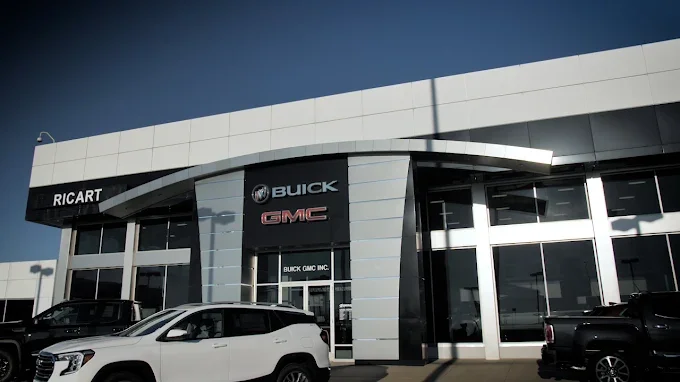
For over 70 years, Ricart Chevrolet Buick GMC, our family-owned dealership, has been dedicated to serving the community with honesty and care. As the #1 volume GM dealer in central Ohio and a multiple Mark of Excellence award winner, we are committed to providing an exceptional experience for every customer. We make car buying easy with convenient services like home delivery, extended overnight test drives, and online purchasing. Our expert, certified technicians also provide top-tier service with amenities such as complimentary loaner vehicles and EV charging stations. At Ricart Chevrolet Buick GMC, we treat you like family, ensuring you receive trustworthy service and find the perfect vehicle for your needs.


Related Articles:

An Ohio Driver’s Guide to Finding the Right Buick GMC Dealer

Recommended Posts

Finance

Understanding APR, Interest Rates, and Fees for Buick GMC Purchasers

Author: Ricart Buick GMC Navigating auto financing can feel as complex as merging onto I-270 during rush hour, but it doesn't have to be. For car buyers in Dublin, Columbus, and Powell, understanding the key elements of a car loan is essential for making a confident purchase. With a focus on ethical and transparent financing, Ricart Buick GMC is here to support you through this process. In this article, we'll break down the differences between APR and interest rates, explain how these rates are determined, outline common fees associated with car loans, and share tips on how to improve your financing terms. By the end, you'll have a clearer picture of what to expect as you shop for your ideal Buick or GMC vehicle. What Does APR Mean When Buying a Car? For drivers in Dublin, understanding APR, or Annual Percentage Rate, is essential when financing a vehicle. APR reflects the total annual cost of borrowing, combining the interest rate with various fees associated with the loan, making it a crucial factor for comparison shopping. Simply put, while the interest rate represents the cost of borrowing the principal amount, the APR offers a comprehensive view by including additional costs like loan origination fees or closing costs. This means that when you're comparing loan offers, a lower APR typically indicates a lower overall cost for the loan, which is especially important if you plan to navigate the streets of Dublin or commute through busy routes like I-270. Includes Interest: The base cost of borrowing money. Accounts for Fees: Incorporates lender fees, making the total cost clear. Facilitates Comparison: Helps you easily compare different loan offers. Consumer Protection: Lenders must disclose APR under the Truth in Lending Act, ensuring transparency. By keeping these points in mind, you can make more informed financing decisions when purchasing your next Buick or GMC vehicle, helping you secure a deal that fits your budget and lifestyle. How Lenders Decide Your Auto Loan Interest Rate The interest rate on your auto loan is determined by several factors that give lenders insight into your financial reliability. For drivers in Dublin and nearby Columbus, understanding these elements can lead to better financing decisions. Lenders closely analyze the following components: Credit Score: A higher score generally leads to lower rates as it indicates responsible borrowing. Credit History: A solid history of on-time payments can positively impact your rate. Loan Amount: The total sum you wish to borrow can influence the interest charged. Term Length: Shorter loan terms may come with lower rates, as they represent less risk for lenders. Down Payment: A larger down payment reduces the lender's risk and can help secure a better rate. Vehicle Age: Newer vehicles often qualify for lower rates due to their higher value and reliability. For example, if you're considering a new GMC Terrain versus a used vehicle, the interest rate for the Terrain may be lower due to its age and warranty status. This matters for local drivers navigating Dublin's busy streets, where reliable, affordable financing can make a significant difference in your monthly budget. Building strong credit habits, such as paying bills on time and keeping credit card balances low, can help improve your chances of securing a favorable rate. What Role Does a Credit Score Play in Securing a Buick, GMC Loan? Your credit score significantly impacts your chances of obtaining a Buick or GMC loan and the interest rates you'll receive. A higher score reflects a history of responsible financial behavior, which can lead to better loan terms and lower payments. For drivers in Dublin, understanding this can help you secure a vehicle that fits both your lifestyle and budget. Here's how credit tiers generally influence your loan prospects: Excellent Credit (720+): If your score falls into this category, you're likely to enjoy the best interest rates available, resulting in lower monthly payments and less paid in interest over time. This is particularly beneficial for families commuting to Ohio State University or making trips throughout the Columbus area. Good Credit (690-719): Borrowers in this range can still expect favorable rates, but they might be slightly higher than those offered to excellent credit holders. This means you can still drive a Buick, GMC vehicle without breaking the bank. Fair Credit (630-689): While you may still qualify for a loan, expect higher interest rates as lenders perceive more risk. A larger down payment can mitigate this, helping you secure better terms, especially useful for navigating Dublin's busy roads. Challenging Credit (Below 630): Obtaining financing can be a challenge, but it's not impossible. You may face significantly higher interest rates, yet consistent, on-time payments can help you rebuild your score. For instance, if you're driving around Powell, each payment can contribute to long-term financial health. APR vs Interest Rate: What's the Difference? APR and interest rate are not the same thing, and understanding the difference is crucial for making informed financial decisions. The interest rate refers solely to the cost of borrowing the principal amount, while the APR (Annual Percentage Rate) encompasses both the interest rate and most of the lender's fees, giving you a clearer picture of your total borrowing costs. For drivers around Dublin, this matters because it helps you compare offers accurately. For instance, one financing option may have a lower interest rate but higher fees, resulting in a higher APR than another offer with a slightly higher interest rate but no fees. By comparing APRs, you get a true "apples-to-apples" comparison of what you'll really pay over time. Interest Rate: Represents only the cost of borrowing; does not include additional fees. APR: Includes the interest rate and most fees, giving a more complete view of borrowing costs. Why It Matters: APR is the better tool for comparing different loan offers, ensuring you understand the full cost of your loan. When looking for financing options, make sure to check the APR alongside the interest rate. For more information and to explore financing options, visit GM Financial. What Common Fees Are Associated with a Car Loan? When financing a Buick or GMC, understanding the various fees can significantly aid in budgeting and prevent unexpected costs during the loan process. This awareness is especially crucial for drivers in Dublin, where local regulations can influence these fees. Documentation Fee: This fee, commonly referred to as a "doc fee," covers the costs of preparing and filing necessary paperwork for your vehicle purchase. It varies by dealership, so it's wise to clarify this fee upfront. Title and Registration Fees: These charges are mandated by the state for transferring the vehicle's title into your name and registering it with the Ohio Department of Motor Vehicles. Expect to pay these fees as part of your car-buying process. Sales Tax: In Ohio, you'll incur a Highway Use Tax (HUT) when titling your vehicle, similar to a sales tax, which can affect the total purchase cost. Knowing this helps you prepare financially. Loan Origination Fee: Some lenders impose this fee for processing your loan application. Often rolled into your APR, it can impact your monthly payment, so make sure to inquire about it. Always request a detailed breakdown of all fees involved in your car loan. Resources like Kelley Blue Book (KBB) and Edmunds offer valuable insights into the car-buying journey, ensuring you are well-informed about typical charges. Tips to Secure a Better APR on Your Buick, GMC For drivers in Dublin looking to improve their APR, several practical strategies can lead to more favorable loan terms. A better APR not only makes your monthly payments more manageable but also saves you money over time. Here are some effective steps to consider: Check Your Credit Score: Regularly review your credit report and address any inaccuracies. Paying down existing debts and making timely payments can significantly improve your score, which lenders view favorably. Larger Down Payment: Saving for a bigger down payment reduces the total amount financed. This lowers the lender's risk, potentially resulting in a lower interest rate. Shorter Loan Term: Opting for a shorter loan duration may increase your monthly payments but often leads to lower interest rates, saving you money in the long run. Shop Around: Don't settle for the first offer. Compare rates from multiple lenders, including credit unions and online options, to find the best deal that suits your budget. Consider Pre-Approval: Getting pre-approved for a loan can give you an idea of what rates you qualify for, allowing you to negotiate better terms when visiting Ricart Buick GMC. Timing Matters: Keep an eye on interest rate trends. Purchasing during a time when rates are lower-often at the end of the month or during promotional periods-can benefit your overall loan terms. These strategies are especially relevant for Dublin drivers navigating local traffic on routes like I-70 or I-270, where reliable vehicles from Buick and GMC make daily commutes smoother. For further insight on vehicle financing, Consumer Reports is an excellent resource. Frequently Asked Questions (FAQs) How can I calculate my monthly payment? To calculate your monthly payment for a Buick or GMC, you can utilize online auto loan calculators or consult with our finance team at Ricart Buick GMC for a personalized estimate based on the vehicle price, down payment, loan term, and projected APR. What is a good APR in the local area? A competitive APR can vary based on your credit score and prevailing market conditions. Typically, drivers with excellent credit can access favorable rates from GM Financial or local lenders in Dublin and surrounding areas. Do I have to finance through the dealership? You are not required to finance through Ricart Buick GMC; however, we provide convenient financing options. You can also obtain pre-approval from your bank or credit union before visiting us for additional flexibility. Can I finance a used vehicle? Yes, financing options are available for both new and certified pre-owned Buick and GMC vehicles. Keep in mind that interest rates for used vehicles may be slightly higher compared to new models. What should I ask about warranty coverage when buying a vehicle? When considering a vehicle purchase, you should ask Ricart Buick GMC about the specifics of the warranty coverage, including duration, components covered, and any additional options for extended warranties. How can I verify what is included in my warranty? Ricart Buick GMC will provide you with detailed documentation outlining what is included in your warranty. Additionally, our team can clarify any questions you may have regarding coverage and terms. About Ricart Buick GMC For over 70 years, Ricart Chevrolet Buick GMC, our family-owned dealership, has been dedicated to serving the community with honesty and care. As the #1 volume GM dealer in central Ohio and a multiple Mark of Excellence award winner, we are committed to providing an exceptional experience for every customer. We make car buying easy with convenient services like home delivery, extended overnight test drives, and online purchasing. Our expert, certified technicians also provide top-tier service with amenities such as complimentary loaner vehicles and EV charging stations. At Ricart Chevrolet Buick GMC, we treat you like family, ensuring you receive trustworthy service and find the perfect vehicle for your needs. Related Articles: An Ohio Driver's Guide to Finding the Right Buick GMC Dealer

Service

The Importance of Genuine Buick GMC Parts for Dublin, OH Drivers

Author: Ricart Buick GMC Your Buick or GMC is more than just a vehicle; it's a trusted companion for everyday journeys, whether you're navigating the busy streets of Dublin or heading into Columbus for a family outing. Ricart Buick GMC has proudly served the Dublin and Powell communities for years, and we know firsthand how vital it is to maintain your vehicle with genuine OEM parts. In this article, we'll explore what genuine parts are, how they stand apart from aftermarket alternatives, and why choosing them ensures safety, preserves value, and enhances performance for your driving experience. What Are Genuine Buick, GMC Parts? Genuine Buick, GMC parts are components specifically designed and manufactured by Buick and GMC for your vehicle. These parts are identical to those that were installed at the factory, ensuring a precise fit and reliable performance. Often referred to as Original Equipment Manufacturer (OEM) parts, these components are engineered to factory specifications, which means they meet the same quality and performance standards as the originals. This is crucial for maintaining your vehicle's integrity, as using parts built to original specs helps ensure your vehicle operates smoothly and efficiently. You can learn more about these parts through official Buick, GMC resources. Factory-spec construction: Ensures compatibility with your vehicle. Thoroughly tested: Each component undergoes rigorous testing for quality assurance. Exact fit: Designed for seamless installation without modifications. For drivers navigating the bustling streets of Dublin, using genuine parts means fewer repairs and a smoother ride, whether you're commuting on Riverside Drive or heading to a weekend getaway in Hocking Hills. This reliability is especially important during the winter months when you need your vehicle to perform optimally on icy roads. How Do OEM Parts Differ From Aftermarket Alternatives? When it comes to vehicle maintenance, the choice between OEM and aftermarket parts significantly impacts fit, quality, and warranty protection. OEM (Original Equipment Manufacturer) parts are crafted from the same blueprints and materials as the original components, ensuring a precise fit and reliable performance. In contrast, aftermarket parts typically adopt a one-size-fits-all design, which may lead to compatibility issues. Fit: OEM parts are designed for a specific make and model, ensuring seamless integration. Aftermarket parts might not align perfectly, potentially requiring modifications that can jeopardize your vehicle's integrity. Quality Consistency: OEM parts adhere to strict manufacturing standards, while aftermarket options can vary widely in quality. This inconsistency can affect performance and safety. Warranty Protection: OEM parts purchased through authorized dealers often come with a warranty, offering peace of mind. In contrast, many aftermarket parts have limited or no warranty, leaving you to cover any failures. For drivers in Dublin, choosing OEM parts means investing in the longevity and reliability of your Buick or GMC, especially when navigating the diverse conditions of local roads like Avery Road or Sawmill Road. By opting for the precision of OEM components, you ensure that your vehicle performs optimally, whether commuting to work or heading to an Ohio State University game. Why is a Perfect Fit So Crucial for Your Vehicle? A precise fit is essential for your vehicle's components to operate seamlessly, directly impacting safety and overall performance. When parts are not exactly right, it can trigger a series of issues that compromise your driving experience. Picture yourself driving along Riverside Drive during a sudden downpour; your brakes, suspension, and engine must respond flawlessly. If a brake pad doesn't fit correctly, it might fail to engage fully, leading to reduced braking power when every second counts. Similarly, an engine part that isn't properly aligned can cause leaks or vibrations, putting additional stress on other components and leading to costly repairs down the line. In contrast, genuine OEM parts provide the assurance that each component works in unison, just as designed by the engineers at Buick and GMC. This meticulous integration is something that aftermarket options often fall short of delivering. Can Aftermarket Parts Affect My GMC's Performance? Absolutely, aftermarket parts can have a notable effect on your vehicle's power, fuel economy, and overall responsiveness. GMC models are engineered with precise specifications to provide a well-balanced driving experience, which is crucial for both daily commutes and longer trips around Dublin and nearby areas. When you opt for aftermarket parts that stray from these OEM standards, you may encounter performance issues. For instance, a low-quality air filter might not deliver the necessary airflow, leading to reduced horsepower and increased fuel consumption. Similarly, using non-genuine spark plugs can result in poor combustion efficiency. Over time, these minor performance declines can accumulate, making your drives through Powell or along Columbus's I-270 less efficient and your vehicle feel sluggish. Are Genuine Parts Safer for Driving in North Carolina? When it comes to safety, genuine parts are a crucial consideration for your vehicle. These components are meticulously tested to meet strict safety standards and are designed to integrate seamlessly with your vehicle's full safety system. This means that, whether you're navigating through summer storms or the slick roads of Dublin, you can trust that your vehicle is equipped to handle sudden changes in conditions. Genuine parts, such as brake rotors, airbags, and tires, play a vital role in maintaining your vehicle's safety. Here's why they matter: Brakes: Genuine parts ensure optimal stopping power, crucial during unexpected stops at busy intersections. Airbags: Designed to work with your vehicle's safety systems, they deploy correctly in critical situations. Tires: Authentic tires provide the right grip and handling, especially in unpredictable weather conditions. For local drivers in Dublin and nearby Columbus, where heavy rain can create slick roads and busy traffic increases the risk of accidents, using genuine parts means enhanced reliability. You can find more information about the importance of OEM parts on trusted sites like Edmunds. In the end, choosing genuine parts not only promotes safety but also gives you peace of mind on every journey. How Do Genuine Parts Protect My Vehicle's Value? Choosing genuine Buick or GMC parts is crucial for preserving your vehicle's resale value. A complete service history featuring OEM parts signals to potential buyers and appraisers that the vehicle has received quality care, which can significantly increase appraisal offers. When appraising your vehicle, experts consider the quality of parts used in maintenance. Genuine parts reflect that the vehicle has been well-maintained and is still aligned with factory specifications. In contrast, mismatched or unknown aftermarket parts can raise concerns about reliability and performance, often resulting in lower offers. For instance, if your GMC Terrain has undergone regular maintenance using OEM components, it's likely to fetch a higher price than a similar model with questionable aftermarket replacements. Higher appraisals: Vehicles with documented OEM part usage typically command better resale values. Faster sales: Buyers are often more confident in vehicles that feature genuine parts. Increased buyer confidence: A strong service history enhances trust in the vehicle's reliability. In Dublin and the surrounding areas, where families often rely on their vehicles for commutes to Ohio State University or weekend trips to Hocking Hills, maintaining the integrity of your Buick or GMC with genuine parts is a wise investment. This not only protects your vehicle's value but also ensures you can confidently navigate the diverse driving conditions of Central Ohio. Frequently Asked Questions (FAQs) What should I expect regarding communication during my service appointment? Ricart Buick GMC values clear communication. You'll receive updates on your vehicle's progress, and our team will keep you informed about any necessary services or changes. How can I get updates on my vehicle's service status? You can easily check the status of your vehicle by contacting Ricart Buick GMC directly. Our team is always ready to provide you with the latest information. What happens if my vehicle is delayed during service? If there's a delay, Ricart Buick GMC will reach out to let you know. We strive to minimize any inconvenience and will offer alternative solutions when necessary. What community initiatives does Ricart Buick GMC participate in? Ricart Buick GMC is dedicated to supporting local events and organizations in Dublin, fostering a strong community connection through various programs and partnerships. How long has Ricart Buick GMC been in business? Ricart Buick GMC has been serving the Dublin community for over 70 years, earning a reputation as a trusted family-owned dealership committed to customer satisfaction. How can I ensure I get a fair trade-in value? Ricart Buick GMC's team performs a VIN-specific appraisal using current market data and reviews your vehicle's condition and history with you, so the offer reflects its true value. About Ricart Buick GMC For over 70 years, Ricart Chevrolet Buick GMC, our family-owned dealership, has been dedicated to serving the community with honesty and care. As the #1 volume GM dealer in central Ohio and a multiple Mark of Excellence award winner, we are committed to providing an exceptional experience for every customer. We make car buying easy with convenient services like home delivery, extended overnight test drives, and online purchasing. Our expert, certified technicians also provide top-tier service with amenities such as complimentary loaner vehicles and EV charging stations. At Ricart Chevrolet Buick GMC, we treat you like family, ensuring you receive trustworthy service and find the perfect vehicle for your needs. Related Articles: An Ohio Driver's Guide to Finding the Right Buick GMC Dealer

Service

New Title: How Routine Maintenance for Your Buick GMC Can Save Money Over Time

Author: Ricart Buick GMC Investing in your vehicle is a cornerstone of long-term financial health, especially for those navigating the roads of Dublin and nearby Columbus, Powell. While many drivers might see scheduled service as an inconvenience, the truth is that consistent upkeep can save you from expensive repairs down the line. At Ricart Buick GMC, we've seen firsthand how proper care not only enhances vehicle reliability but also protects your wallet. In this article, we'll explore the hidden costs of neglecting service and how regular attention to your vehicle can lead to significant savings over time. Why Is Preventative Maintenance Cheaper Than Repairs? Maintaining your vehicle regularly is significantly less expensive than handling major repairs after a breakdown. Just like with your health, where routine check-ups can prevent costly emergency procedures, timely vehicle maintenance can save you thousands in unexpected repair bills. For instance, neglecting minor issues can lead to major failures, such as a simple fluid leak escalating into severe engine damage. In Dublin and nearby Columbus, Powell, where the weather can shift from humid summers to icy winters, the strain on your vehicle can be intense. Addressing small issues early through regular maintenance helps you avoid costly towing fees and emergency repairs that can arise from a breakdown on busy roads like I-270 or near the Scioto River. Catching problems before they escalate is key to maintaining both your peace of mind and your budget. Cost Efficiency: Routine maintenance is usually a fraction of the cost of major repairs, keeping your expenses predictable. Early Detection: Identifying small problems during regular check-ups prevents them from turning into larger, more expensive issues. Avoiding Downtime: Well-maintained vehicles are less likely to break down, allowing you to stick to your busy schedule without interruptions. Emergency Costs: The unexpected costs of towing and urgent repairs can add up quickly, making regular maintenance a wise financial choice. Does Changing Your Oil Really Protect Your Engine? Fresh oil is essential for keeping your engine healthy and avoiding costly replacements. Over time, engine oil breaks down due to heat and exposure to contaminants. As it ages, it loses its ability to effectively lubricate moving parts, leading to increased friction, which generates even more heat. This cycle can cause harmful sludge to build up, restricting oil flow and exacerbating wear on internal components. In Dublin, where stop-and-go traffic on roads like Riverside Drive and Sawmill Road is common, the engine is under constant stress. As the oil degrades, it can no longer protect your engine, leading to accelerated wear and potential failure. Ignoring oil changes may save you time now, but it greatly increases the risk of expensive repairs down the road. The cost of a new engine far outweighs the small investment in regular oil changes. Extended Engine Life: Regular oil changes help reduce wear and tear, allowing your engine to run smoothly for longer. Improved Fuel Efficiency: Fresh oil minimizes friction, helping your Buick or GMC perform at its best, especially during daily commutes. Reduced Risk of Repairs: Timely oil changes can prevent costly engine damage and keep your vehicle reliable. For more information on vehicle care standards, you can visit Consumer Reports. How Tire Care Affects Fuel Economy and Tire Life Maintaining proper tire pressure, alignment, and minimizing rolling resistance directly influences your fuel economy and the lifespan of your tires. For drivers navigating the streets of Dublin and nearby Columbus, keeping an eye on these factors can lead to significant savings at the pump while extending the life of your tires. Under-inflated tires create additional rolling resistance, which means your engine has to work harder and use more fuel. Think of it like riding a bike with flat tires; the effort required to maintain speed increases dramatically. Additionally, poor alignment can lead to uneven tread wear, causing you to replace your tires sooner than necessary. This is especially important on local roads, where potholes and uneven surfaces can throw your wheels out of alignment, affecting both performance and safety. Here are some simple tire-care habits to adopt: Check PSI Regularly: Ensure your tires are inflated to the recommended pressure to maximize fuel efficiency. Rotate Tires: Regular rotations help ensure even tread wear, extending tire life and performance. Alignment Checks: Have your alignment checked periodically, especially after hitting a pothole, to prevent premature tire wear. By investing in these small, inexpensive services, you can prevent premature tire replacement and save on wasted fuel. For more tips and tire ratings, visit Edmunds. Will Following the Buick, GMC Maintenance Program Boost Resale Value? A documented service history builds buyer confidence and can significantly enhance your vehicle's resale value. When you're ready to sell or trade in, having a complete record of service can lead to higher offers, as buyers often prefer cars that show evidence of regular care and maintenance. Vehicles with a solid service history are viewed as more trustworthy, which can translate to increased trade-in or private-sale offers. Buyers appreciate knowing that a vehicle has been well maintained, which is why showcasing documented ownership history matters. Think of it as building a portfolio of care for your vehicle; the more you invest in its upkeep, the more value you can expect in return. Higher Offers: Complete service records typically lead to better trade-in values. Faster Sales: Cars with documented maintenance tend to sell quicker. Trust: Buyers feel more secure knowing a vehicle has been properly cared for. In the local resale market around Dublin and nearby Columbus or Powell, having those service records can make a notable difference. For instance, during busy seasons like summer, when families are on the move, a well-maintained GMC Terrain or Buick Enclave with a thorough service history could attract keen buyers looking for reliability for their road trips. To see how the vehicle's condition and history impact its price, check current values at Kelley Blue Book. How Do Genuine Buick Parts Save You Money Over Time? Choosing genuine OEM parts for your Buick can lead to significant savings in the long run. These parts are specifically designed to fit your vehicle, ensuring durability and compatibility that generic aftermarket options simply can't match. While it may be tempting to opt for cheaper aftermarket parts to save money upfront, these alternatives are often produced to fit a broad range of vehicles, resulting in a less precise fit for your Buick. This can lead to issues such as: Poor Fit: Aftermarket parts may not align correctly, causing additional strain on other components. Reduced Durability: Generic parts often lack the rigorous testing that OEM parts undergo, leading to premature failures. Warranty Risks: Using non-OEM parts can void your vehicle's warranty, resulting in costly repairs later. For instance, if you own a 2023 Buick Enclave, opting for genuine parts ensures that every component is engineered to the exact specifications required for optimal performance. By avoiding the pitfalls of repeated repairs and warranty complications, you'll find that paying a bit more for quality parts can save you money in the long run. This is especially important for drivers navigating Dublin's busy traffic and varied weather conditions. To explore specific parts and verify their compatibility with your Buick, visit Buick's official website. Why Brake Maintenance Matters for Safety and Cost Ignoring worn brake pads can lead to costly rotor and caliper damage. If you hear squealing, feel vibrations, or experience longer stopping distances, it's time to act. Brake pads are designed as sacrificial components; they wear down to protect the more expensive parts of your braking system. In Dublin and Powell, the demands of busy highways like I-270 and I-71, combined with hilly terrain and wet seasonal conditions, mean your brakes work hard. When brake pads are neglected, they can wear down to the metal backing, leading to damaging metal-on-metal contact with the rotors. This not only escalates repair costs but also jeopardizes your safety. By replacing brake pads early, you prevent collateral damage to the rotors and calipers, which are significantly more expensive to repair. For instance, swapping out worn pads might cost a few hundred dollars, while repairing damaged rotors can run into the thousands. Regular inspections can help catch these issues before they escalate, keeping your expenses in check. Squealing Sounds: Indicates the pads are worn and need replacement. Vibrations: May suggest uneven wear or damage in the braking system. Longer Stopping Distances: A sign that your brakes aren't performing effectively. For safety ratings and recall information, visit the NHTSA. Frequently Asked Questions (FAQs) Are genuine Buick, GMC parts more expensive than aftermarket? While the upfront cost of genuine Buick, GMC parts may be higher, they typically offer superior quality and longevity. This can lead to savings over time as they reduce the risk of premature wear and the need for frequent replacements, ultimately saving you money in repairs. Where can I buy genuine Buick, GMC parts near Dublin? The best place to acquire genuine Buick, GMC parts is at Ricart Buick GMC, where you can be assured of their authenticity and benefit from professional installation by certified technicians. Do genuine parts come with a warranty? Yes, genuine Buick, GMC parts come with a comprehensive warranty, providing you peace of mind regarding their quality and reliability when purchased through authorized dealerships. Will using aftermarket parts void my car's warranty? Using aftermarket parts does not inherently void your warranty; however, if an aftermarket part causes damage to your vehicle, that specific repair may not be covered under your warranty. It's important to consider this when making choices about parts. What is Ricart Buick GMC's approach to customer service? Ricart Buick GMC focuses on providing an exceptional customer experience, emphasizing transparency and honesty throughout the buying and servicing processes, ensuring that customers feel valued and informed. How does Ricart Buick GMC support the community? Ricart Buick GMC has been a family-owned dealership for over 70 years, actively engaging in community initiatives that promote local development and support various programs aimed at enhancing the quality of life in Dublin and surrounding areas. About Ricart Buick GMC For over 70 years, Ricart Chevrolet Buick GMC, our family-owned dealership, has been dedicated to serving the community with honesty and care. As the #1 volume GM dealer in central Ohio and a multiple Mark of Excellence award winner, we are committed to providing an exceptional experience for every customer. We make car buying easy with convenient services like home delivery, extended overnight test drives, and online purchasing. Our expert, certified technicians also provide top-tier service with amenities such as complimentary loaner vehicles and EV charging stations. At Ricart Chevrolet Buick GMC, we treat you like family, ensuring you receive trustworthy service and find the perfect vehicle for your needs. Related Articles: An Ohio Driver's Guide to Finding the Right Buick GMC Dealer